Tag: compliance

Compliance Variation

Navigating the Growing Challenge of Regional Compliance Variations

Many multinational organizations believe their compliance programs are standardized across regions. Yet internal audit teams are increasingly discovering the opposite. Internal audit executives are increasingly operating in a landscape where regions no longer have a single compliance structure. They are experiencing diverging demands from individual countries for regulation, employee mandates, Read More

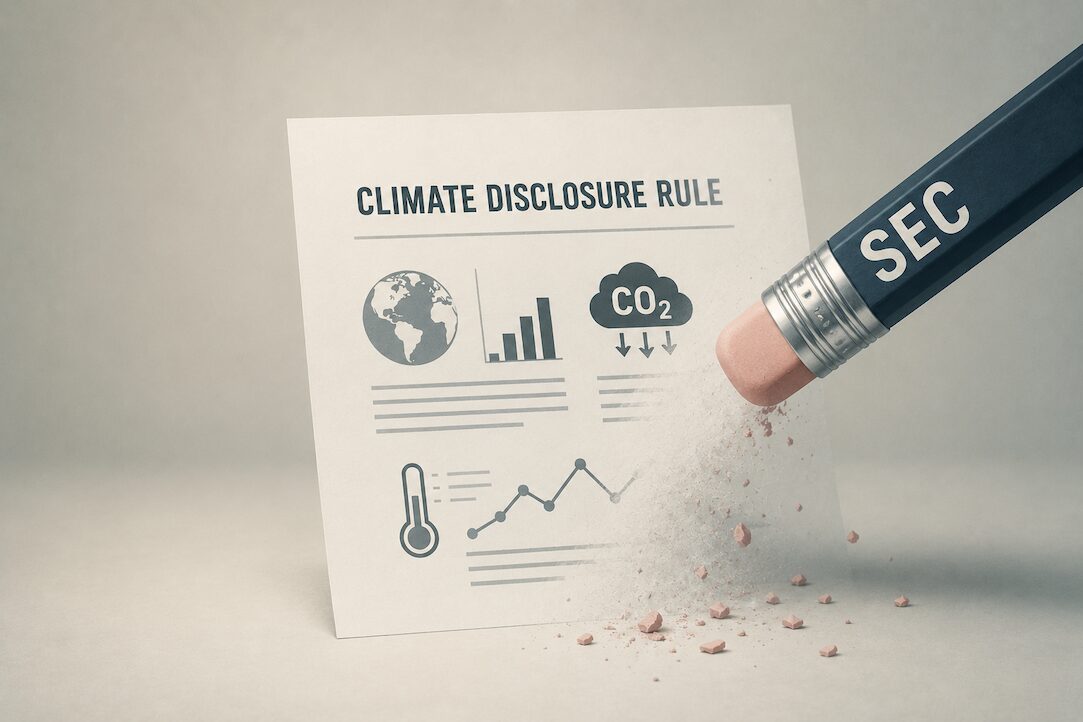
SEC moves to repeal climate change rules

SEC Moves to Repeal Climate Change Disclosure Rules

The U.S. Securities and Exchange Commission is no longer just stepping back from enforcement of its controversial climate disclosure rules — it is now actively moving to erase them. The clearest sign came this month, when the SEC formally submitted a proposal to rescind the rules to the White House Read More

Disney

Disney Settles ‘Opt-Out’ Privacy Case with California for $2.75 Million

The California Attorney General’s office has announced a settlement with the Walt Disney Co., resolving allegations that the company violated the California Consumer Privacy Act (CCPA) by failing to answer consumers’ requests to opt-out of the sale or sharing of their data across all devices and streaming services associated with Read More

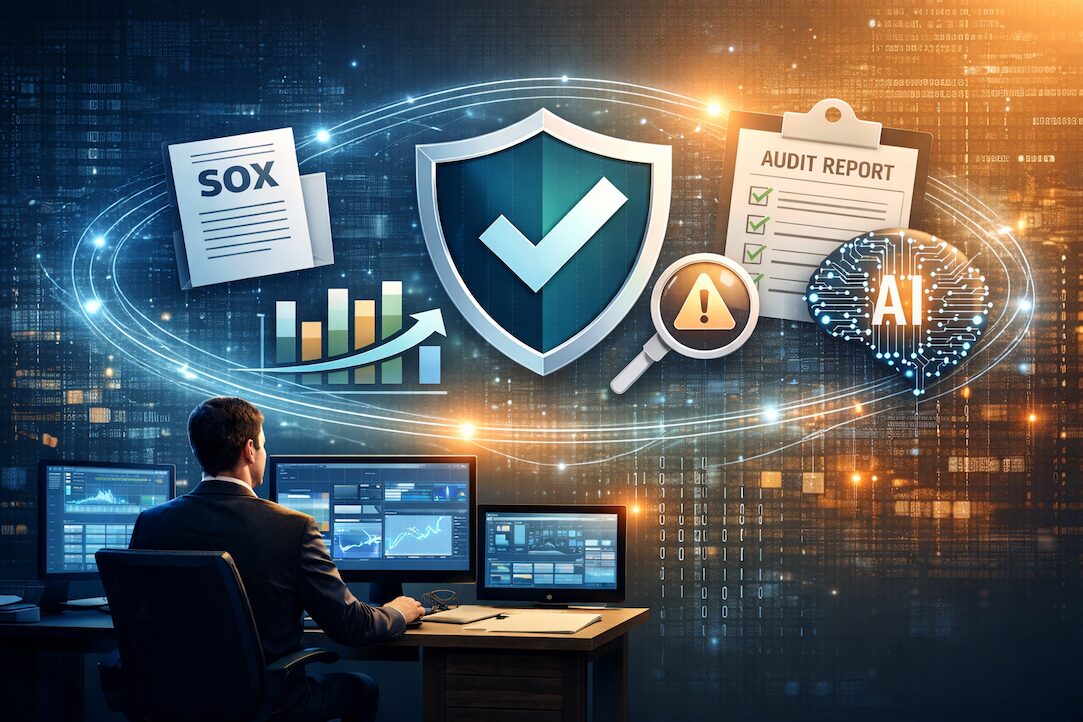
Automating internal controls

Modernizing Compliance: How AI and Automation Are Reshaping Internal Controls

In today’s fast-paced business environment, regulatory compliance has become both more critical and more complex. Organizations are expected to maintain rigorous internal controls, ensure transparency, and respond swiftly to audits all while managing sprawling IT ecosystems and evolving risk landscapes. Regulations like the Sarbanes-Oxley Act (SOX) demand companies adhere to Read More

From Compliance to Conscience: How Ethical Governance Elevates Internal Audit

GUEST BLOG POST For decades, managers and other stakeholders primarily viewed internal audit as a compliance function. They largely considered it the department that ensured policies were followed, checklists were completed, and boxes were ticked. In an era of corporate transparency, social accountability, and real-time risk exposure, however, that narrow Read More

improving compliance confidence

Compliance Confidence vs. Control: Feeling Secure Isn’t Being Secure

This year, the compliance landscape is shifting on multiple fronts. Seven new U.S. state-level privacy laws are taking effect, the U.S. Department of Health and Human Services is proposing major changes to HIPAA—the most significant since 2013, and the EU AI Act is introducing sweeping new governance requirements for high-risk Read More

Control Without Culture Is Just Compliance Theater

GUEST BLOG POST In many organizations compliance is treated like a seasonal performance, where everything is polished just in time for the audit. Controls are executed, evidence is gathered, standard operating procedures (SOPs) are followed to the letter, but only because someone is watching. Once the audit concludes, attention fades, Read More

Maintenance Needed: Navigating the Chaotic Compliance Highway

Imagine driving on a constantly changing highway: the speed limits and lane directions are shifting and updating, the exit ramps and destinations rerouting, all while you are mid-journey. How do you, the driver, stay on course? You rely on an up-to-the-minute navigation system. You watch for new road signs. And Read More

PCAOB

House Bill Looks to Dissolve the PCAOB, Cut Regulatory Budgets

The United States House Financial Services Committee approved a bill proposed by the House Republicans to cut funding from the Consumer Financial Protection Bureau and to dissolve the Public Company Accounting Oversight Board into the Securities and Exchange Commission. The legislation received some backlash from Democrats along the way however, Read More

Using AI in AML programs

Four Strategic Ways AI Can Strengthen Your AML Program

Money laundering facilitates crime, threatens our national security, distorts markets, and has a devastating economic and social impact on citizens, according to the U.S. Department of the Treasury. Financial institutions are required to do their part to combat these threats. The Financial Crimes Enforcement Network (FinCEN), a bureau of the Read More