Category: Insight 360°

Longer feature articles by Internal Audit 360 editors or contributors. These typically include reporting and provide a full insight on a given topic or development.

Aligning internal audit with biz objectives

Aligning Internal Audit with Broader Business Objectives

Internal audit has experienced a significant transformation over the last decade or so. Once primarily seen as a compliance-oriented role, it now forms a vital component of strategic decision making. Today’s internal auditors are required to adopt a forward-thinking stance in spotting emerging risks and delivering insights based on data Read More

How to get started using ai in internal audit

How to Get Started in Using Artificial Intelligence in Internal Audit

For years, the internal audit profession has watched artificial intelligence from the sidelines — intrigued, occasionally skeptical, and increasingly aware that the sidelines are not a place to stay for long. Now, with generative AI reshaping industries and predictive analytics powering risk management across functions, internal auditors are asking a Read More

red flags that internal audit is in trouble

Six Red Flags that Your Internal Audit Function Is in Trouble

No internal audit team is perfect, and some perform better than others. But will you realize it when the internal audit team is really steering into rough waters? Will you see the signs that the internal audit team isn’t only performing poorly, but it is floundering? There will likely be Read More

How to Position Internal Audit as an Advisory ‘Go-To’

Much of internal audit’s calendar is filled up with a hectic audit plan that is sometimes more aspirational than realistic. It can be so tightly scheduled with assurance projects that it leaves internal auditors feeling like they have little time to think, never mind strategizing or taking on extra work. Read More

How Internal Audit Can Drive Innovation and Continuous Improvement

The mission of internal audit has steadily evolved into a cornerstone of modern organizational management. Since the Institute of Internal Auditors (IIA) was founded in 1938, internal audit has progressed from simple financial checks to a structured, disciplined approach that strengthens governance, risk management, and overall control systems. While their Read More

improving compliance confidence

Compliance Confidence vs. Control: Feeling Secure Isn’t Being Secure

This year, the compliance landscape is shifting on multiple fronts. Seven new U.S. state-level privacy laws are taking effect, the U.S. Department of Health and Human Services is proposing major changes to HIPAA—the most significant since 2013, and the EU AI Act is introducing sweeping new governance requirements for high-risk Read More

Five Best Practices for Creating Better Internal Audit Reports

An internal audit report can determine whether critical risks are addressed quickly or buried in a backlog of competing priorities. They shape how stakeholders perceive the internal audit function and influence the decisions and remediations that follow an audit. When internal audit reports are clear, well-structured, and actionable, they turn Read More

Internal Audit 2035: Charting the Future of a Rapidly Changing Profession

For decades, internal auditors have quietly upheld the resilience of organizations, helping them navigate risk, compliance, and control. But a decade from now, that quiet assurance will no longer be enough. By 2035, internal auditors are expected to stand as strategic contributors to the success of organizations by shifting from Read More

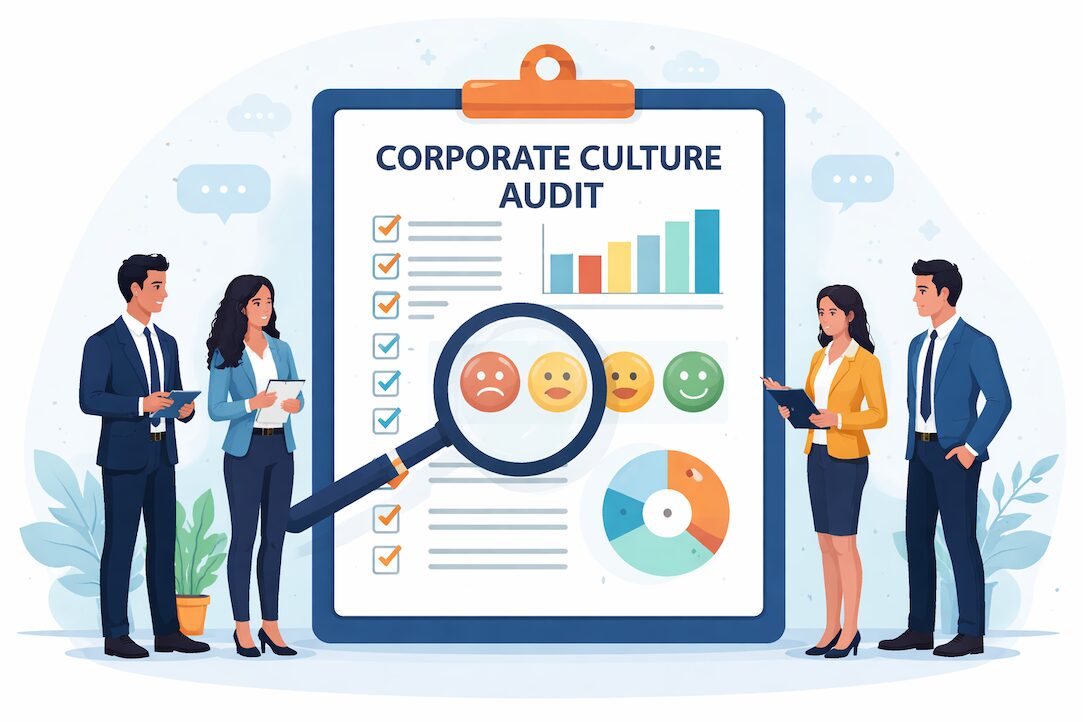
A Guide to Driving Meaningful Change in Internal Audit Culture

As we know, internal audit teams can sometimes overlook company culture when identifying areas of risk and concern. A 2023 AuditBoard report, for example, found that 80 percent of the organizations it surveyed do not actively conduct audits or assessments of their culture. This gap may also point to a Read More

Entity Level Controls

The Critical Role of Entity-Level Controls in SOX Compliance

The Sarbanes-Oxley Act of 2002 (SOX) redefined corporate accountability by mandating transparency and oversight in financial reporting. Evaluating internal controls over financial reporting (ICFR) is at the core of SOX compliance, particularly Section 404. Entity-level controls (ELCs) are core to this: enterprise-wide mechanisms that influence governance, risk management, ethics, and Read More